.png)

TABLE OF CONTENTS
Choosing a good tree service in Green Bay involves more than collecting the lowest quotes. The best approach is to select a risk management partner who understands our local ecology, prioritizes safety with comprehensive insurance, and acts as a certified consultant for the long-term health of your property's valuable trees.
As a family-owned business rooted right here in Green Bay, we at Hardy Wood Products have seen firsthand the consequences of rushed decisions. A towering oak in an Allouez backyard or a line of maples framing a De Pere property isn't just wood and leaves; it's a significant asset. But with that asset comes significant risk. An improperly felled tree, a worker injury on your property, or a mistake near a power line can turn a simple tree trimming project into a financial and legal nightmare. This guide is designed to help you navigate the process, ask the right questions, and choose a partner who will protect your home, your family, and your investment.
Your Tree as a Community Asset: An Ecological Perspective
Before you even request a quote for tree removal, it's worth understanding what that tree contributes to our community. The urban canopy across Green Bay, Ashwaubenon, and Howard is a vital part of our local ecosystem. Your trees provide shade, improve air quality, manage storm water, and add considerable value to your property. But how can you know the specific value of your tree?
This is where modern arboriculture and local resources come into play. The Wisconsin Community Tree Map is a powerful tool that helps quantify our state's urban forest, compiling data from over 240 organizations on more than 1.2 million trees. By identifying your tree's species—perhaps it’s a majestic Sugar Maple, Wisconsin's state tree and a common sight in Brown County—a true tree care professional can help you understand its role. This is the level of detail and appreciation for local ecology that separates a tree service from a true arborist. It reflects a deeper understanding of the complex ecosystems right in our backyards, similar to the profound detail seen in a UW-Green Bay research project that mapped and measured nearly 50,000 trees on a single local plot.
Understanding this context is key. Sometimes, tree removal is the only safe option for a dead or hazardous tree. But in many cases, targeted tree pruning, a crown reduction, or a comprehensive Plant Health Care plan can save a valuable asset and avoid the higher cost of removal and stump grinding.
The Critical Difference: A Sales Quote vs. an Arborist Consultation
When you call for a tree service, you'll generally encounter two types of responses. It’s crucial to recognize which one you’re getting.
The first is the simple sales quote. This often comes from a company focused on volume. Their representative assesses the job primarily in terms of labor and equipment needed for tree felling and debris hauling. The goal is to give you a price for the requested task, whether it's trimming branches or complete removal. While straightforward, this approach lacks depth and may overlook preservation opportunities or underlying health issues that could pose future risks.
The second, and far more valuable, is the arborist consultation. This is provided by a professional, often an ISA Certified Arborist, who approaches your property with a holistic view. They conduct a thorough tree health assessment, looking for signs of disease, pest management needs, or structural weaknesses. Instead of just quoting a price for removal, they provide options. They might suggest:
- Tree Pruning or Thinning: To improve light penetration and air circulation, reducing disease risk.
- Canopy Raising: To create clearance over walkways or structures without removing the entire tree.
- Cabling and Bracing: To provide structural support to mature trees with weak limbs.
- A Tree Maintenance Plan: Including tree fertilization to address nutrient deficiencies and improve vigor.
Professionals dedicated to this higher standard are often members of organizations like the Wisconsin Arborist Association (WAA), which has over 700 members committed to advancing arboriculture in our state. An ISA Certified Arborist is held to a strict code of ethics and has passed a comprehensive examination covering all facets of tree care. You can always verify a professional's credentials through the International Society of Arboriculture's website, ensuring you're working with a genuine expert, not just a person with a chainsaw.
The Price-First Approach vs. The Risk-Management Partnership
Your choice ultimately comes down to two distinct philosophies. Understanding the pros and cons of each is essential for making a confident decision for your Green Bay home.
Decision-Making Approach: Price-Based Selection
This method prioritizes finding the lowest possible written quote for a specific task, such as tree removal or storm damage cleanup. It treats tree work as a simple commodity, where the primary differentiator is cost.
- Pros: The main advantage is a lower initial out-of-pocket expense. For a straightforward, low-risk job like small shrub removal, this might seem appealing.
- Cons: This approach is fraught with hidden dangers. A low bid often signifies that corners are being cut. This can mean inadequate insurance, untrained crew members, a lack of proper safety protocols, or old, poorly maintained equipment. The initial savings can be quickly erased by property damage or, in a worst-case scenario, a lawsuit.
Decision-Making Approach: Risk-Management Partnership
This method involves selecting a company based on their professionalism, credentials, safety record, and comprehensive insurance coverage. The focus shifts from the immediate tree care cost to the long-term value and protection offered.
- Pros: The primary benefit is peace of mind. You know you have a professional crew on your property that is fully insured and trained to handle complex tasks like crane assisted removal or hazardous tree removal near power lines. This approach protects you from liability and ensures the job is done correctly, preserving the health and beauty of your property.
- Cons: The upfront cost for services may be higher than a low-ball offer. This reflects the investment the company makes in proper insurance, modern equipment (like bucket truck service and wood chipper service), and ongoing training for their team.
Liability is Your Problem, Too: Unpacking the Real Risks
Here is a fact that every homeowner in Northeast Wisconsin needs to understand: if an uninsured or underinsured worker is injured on your property, you can be held personally and financially responsible. That "great deal" on tree trimming can evaporate in an instant, replaced by a legal battle and devastating costs.
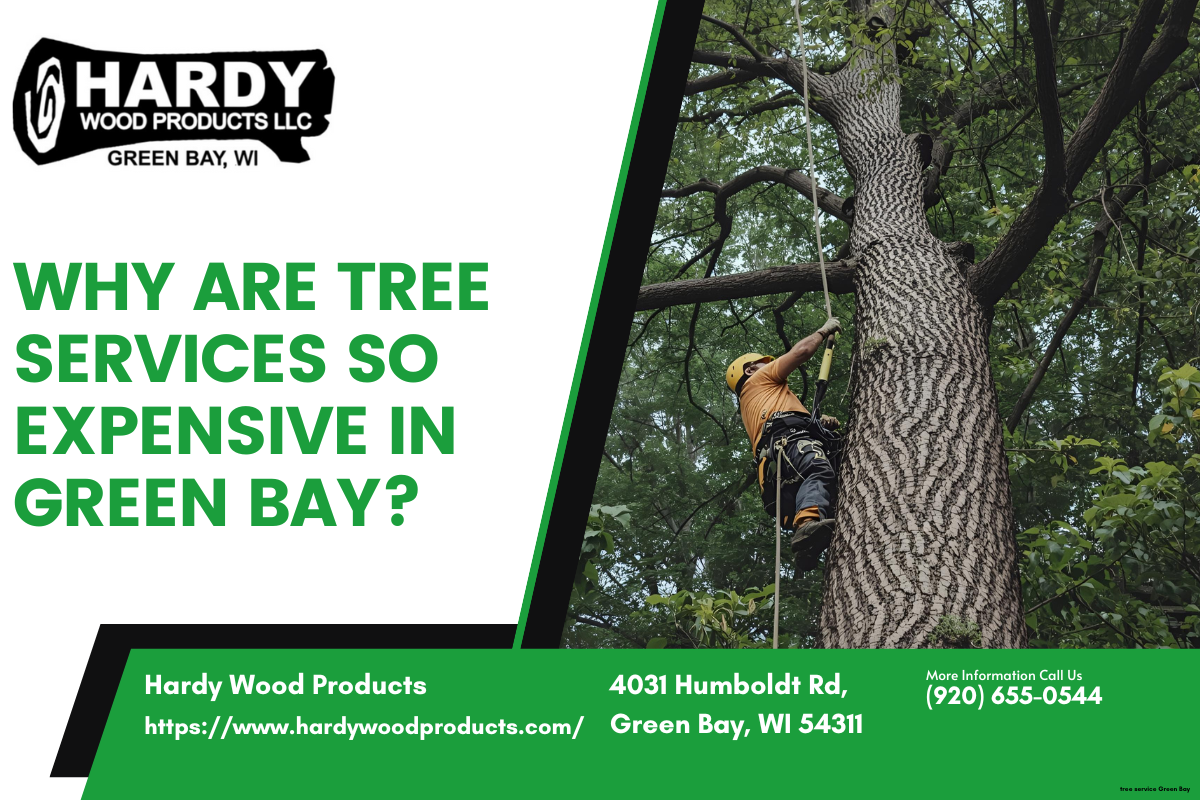
The tree care industry is notoriously dangerous. The work involves heights, immense weights, powerful equipment, and often, proximity to electrical hazards. As the California Department of Industrial Relations notes, common tree work injuries can be fatal, ranging from electrocution and falls to horrific accidents with wood chippers. A company that forgoes proper workers' compensation insurance is not just gambling with its employees' lives; it's gambling with your financial future. They are transferring the ultimate risk from themselves to you, the homeowner.
A reputable local tree company will eagerly provide proof of two specific types of insurance:
- Liability Insurance: This protects your property. If a limb is accidentally dropped on your roof, garage, or fence, this policy covers the repairs.
- Workers' Compensation: This is arguably more important for your protection. It covers injuries to the company's employees while they are working on your property. Without it, an injured worker's only recourse may be to sue the homeowner directly for medical bills and lost wages.
Do not simply take their word for it. Ask for a certificate of insurance and call the insurance provider listed to verify that the policy is current and active before any work begins. A professional team will expect and welcome this step.
The Safety Litmus Test: Questions That Reveal True Professionalism
How can you tell a professional crew from a risky one? Go beyond asking, "Are you licensed and insured?" and use this safety litmus test to gauge their commitment to protecting their team and your property.
- "Can you describe your safety protocols for this specific job?" A professional will be able to walk you through their plan, including how they will control the drop zone, protect surrounding structures, and communicate during the tree felling process.
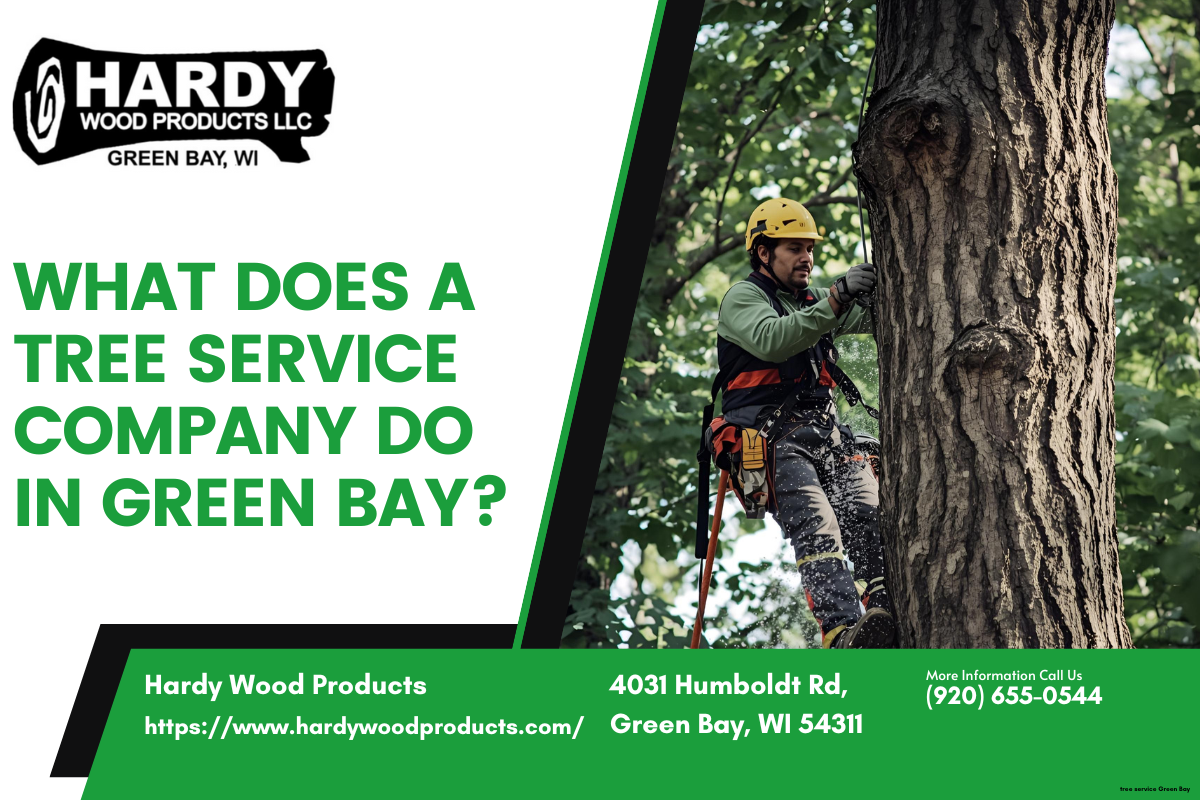
- "What kind of Personal Protective Equipment (PPE) does your crew use?" The answer should always include helmets, eye and ear protection, and proper chainsaw-resistant legwear for anyone operating a saw on the ground. For climbers, it involves a complex system of harnesses, ropes, and communication devices.
- "Are your climbers or crew leaders ISA Certified?" Certification demonstrates a commitment to ongoing education and adherence to the highest industry standards for safety and tree health.
- "Do you have a Certified Treecare Safety Professional (CTSP) on staff?" While not as common, this advanced certification from the Tree Care Industry Association (TCIA) shows an epic dedication to creating a culture of safety.
- "How will you handle debris hauling?" A professional service includes a plan for a thorough cleanup, often involving an industrial wood chipper and a streamlined process for leaving your property tidy.
The answers to these questions did not come from a sales script; they come from a deep-seated culture of safety. A confident, detailed response is the hallmark of a true tree surgeon who respects the risks of their profession.
Common Questions About Green Bay Tree Services
How to find a reputable tree service?
Look for a local tree company with a strong reputation in the community. Check for ISA certifications, ask for proof of both liability and workers' compensation insurance, and read recent customer reviews. A reputable service will provide a detailed, written quote and act as a consultant, offering options beyond simple removal.
What to look for in a tree service company?
The key factors are professional credentials, comprehensive insurance, a documented commitment to safety protocols, and a deep knowledge of local arboriculture. They should operate modern, well-maintained equipment and be able to explain the "why" behind their recommendations for your trees, whether it's for emergency tree removal or routine care.
What is the most popular tree in Wisconsin?
The Sugar Maple (Acer saccharum) is the official state tree and is incredibly popular in residential landscapes throughout Green Bay and the Fox Valley for its brilliant fall colors and hardiness. Other common trees include oaks, birches, and various species of pine.
What are national franchise tree services known for?
Some large, national franchise operations, which you may have seen advertised, are often known for their broad reach and standardized processes. They can be a viable option for some homeowners, but it's important to verify that the local franchise branch maintains the same high standards for insurance, crew training, and arborist-led consultations as a dedicated, locally-owned company. Always perform the same due diligence, regardless of the brand name.
Making the Right Choice for Your Needs
There is no single "best" choice for every homeowner in Green Bay. The right partner depends on your specific situation, your priorities, and the nature of the work you need done. Here’s how to decide based on what matters most to you.
The Pragmatic Property Guardian
Your primary focus is mitigating risk. The thought of an accident on your property keeps you up at night. For you, the most important step is verifying insurance. Demand a current certificate of liability and workers' compensation and call the provider to confirm. Prioritize a company that details their safety plan in their written quote and can show a long, safe track record in commercial and residential tree care.
The Eco-Conscious Homeowner
You see your trees as a living part of your home's ecosystem. Your goal is preservation and long-term health. You should seek a company led by an ISA Certified Arborist. Ask for a full tree health assessment, not just a quote. The right partner for you will discuss options like tree disease treatment, proper pruning techniques that enhance the tree's natural form, and a proactive tree maintenance plan.
The Emergency Responder
A storm has just swept through, leaving a tree leaning precariously over your house, or you've discovered a tree is dangerously diseased and needs immediate attention. Your top priority is speed, safety, and efficiency. You need a local tree company with a dedicated team for emergency tree removal and storm damage cleanup. Look for a service that has the right equipment—like a bucket truck or crane—to handle hazardous tree removal safely and can respond quickly to a call anywhere in Brown County.
Ultimately, the best choice depends on your unique situation and priorities. As a family-owned business serving the Green Bay community for years, Hardy Wood Products is built on a foundation of safety, expertise, and trust. We believe in being your risk-management partner, providing arborist-led consultations that protect your property and enhance its natural beauty. For a personalized assessment and a free, no-obligation written quote, contact our professional team today.

Featured Posts